Showing posts with label Editing. Show all posts

Wednesday, January 6, 2021

The New Year and Small Changes

With New Year’s comes resolutions, and often these are big changes we want to accomplish in our lives. It’s easy to want to jump right in, hoping for huge changes with quick results, and then they pitter out before the month of January even comes to an end.

A couple of weeks ago, I came across this photo I took last January. At the beginning of 2020, I had pulled out an old nanowrimo manuscript and decided to start the editing process, hoping to have it ready to send to agents in a few months.

Like any first draft, I slogged through the first edits, wondering how it was possible that I could string so many bad sentences together! I used the bright sticky notes in an attempt to untangle the messy plot, and at times wondered if it would ever turn into something enjoyable to read.

Trying to get the plot figured out!

The next thing I knew, I was adjusting to our crazy lives during covid with the kids at home 24-7, and simultaneously running our busy market garden season while my husband put in a lot of hours at work. Progress on my novel came to an instant halt, but after we settled into our “new normal”, I came back to it a little at a time.

I wasn’t until I saw the picture with the sticky notes that I realized how far that novel has come and how much it has changed! What a difference all the small changes made over the course of a year! It went from a mess to a manuscript, from something painful to read to something fun to read.
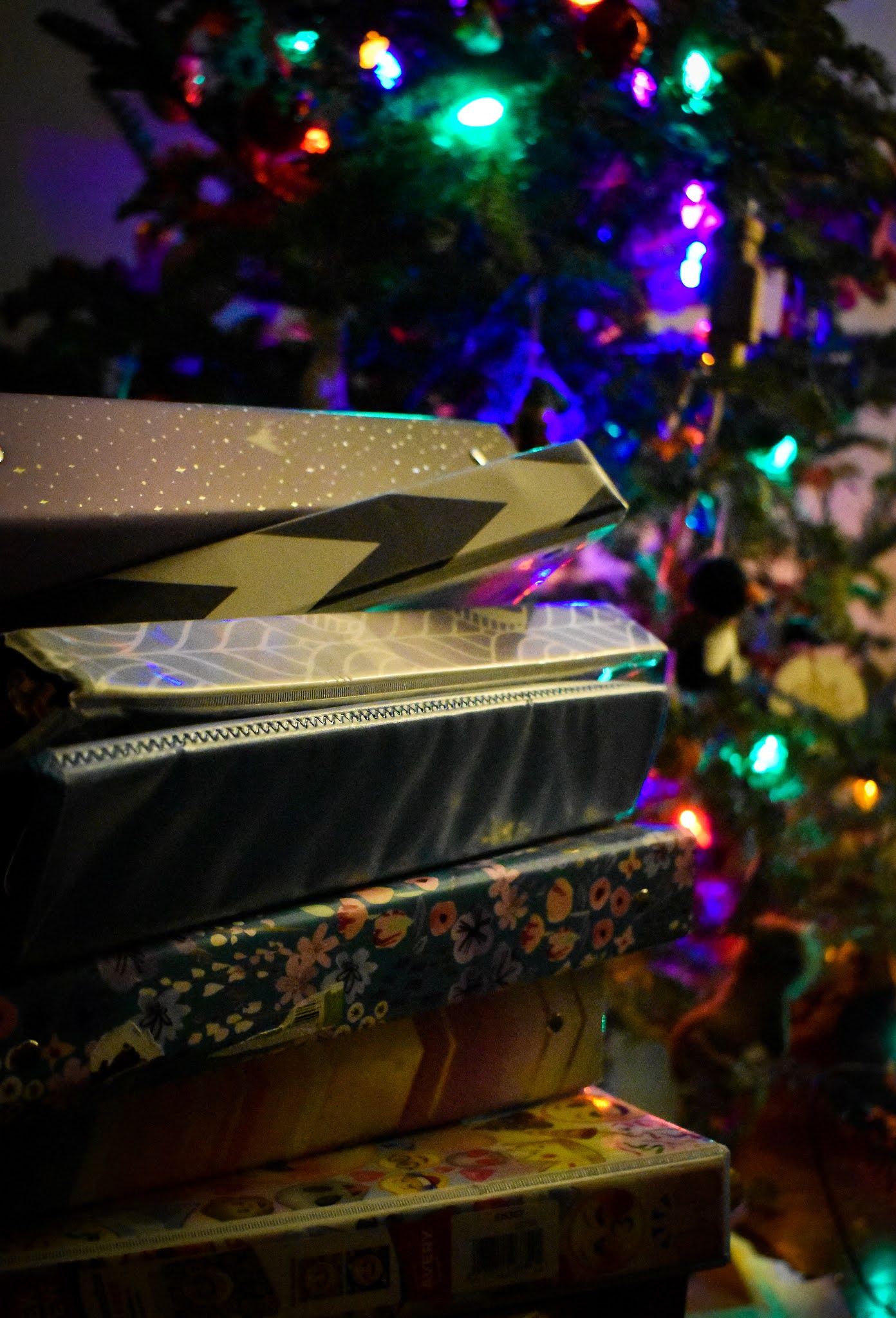
Binders with the seven rewrites of the book!

It made me realize that small changes can make a difference, a really big difference. If you can’t do it all at once, try something small, because it might really surprise you where you are and how far you have come a year from now!


Tuesday, February 25, 2014

Editing- Puzzle Pieces

My daughter Adara will spend hours working on puzzles. At a young age she outgrew the board puzzles and wanted to do the “grown-up” ones. She would start on one side and I would start on the other. As we worked towards the middle with just a handful of pieces left, I would notice something was off.

I’d lean down over the floor, scan the puzzle, and find the problem. The problem was that she would put together pieces that looked like they fit. The colors were close and the shapes looked like they should fit, so naturally she would force them together and move on her way. 

I would show her where the colors were slightly off, or where there was the tiniest crack between the pieces, and explain that it didn’t quite fit. When I mentioned we would have to redo it, that little girl could throw the biggest fit!

The pieces HAD to fit together. She didn’t want to redo it. It would take too long… The excuses over a puzzle, oh my!

She always came around though, and to see the joy on her face and the sense of accomplishment when she placed that very last puzzle piece was priceless.

Editing is scanning the pieces of your novel for those little cracks. It’s looking for those small inconsistencies, the colors that don’t match, the pieces that don’t fit, and painstakingly pulling the words, paragraphs, and chapters apart so that you can make it better.

 As I go through my own novel I find myself finding a lot of those little slivers and cracks. I’ve forced pieces together and I’m like my six-year old at the beginning of a tantrum, “No, they do fit! They do! They have to!”

 It’s a difficult thing go back and tear apart the thing you’ve lovingly created. Hours of work and now you have to pull pieces out, rotate them around, and put them back together again. It’s enough to make anyone throw a fit!

I have moments in my novel that I love. They make me smile, pull at my heart, and make me feel good.  I want them to fit so badly, but I have to come to the terms that they are inconsistent, they just don’t fit. It’s heartbreaking.

When I want to force it together and declare that it works, I remind myself of my daughter and her puzzles. Others will see those mismatched pieces and know that something is off.


I don’t want to puzzle (ha!) my readers with my novel, but I want them to enjoy a beautiful piece of work! That means setting my fits aside and buckling down to tear it apart. I don’t want the final result will be a few pieces short of what it could have been, but want the sense of accomplishment that everything fits exactly as it should.

Sunday, February 2, 2014

Editing- Lessons From Snowdrifts

I LOVE snow. I start praying in August that there will be record breaking snowfall in December. I run in it, sled in it, and even eat it! There is just one thing I don’t like about snow… backing up in it. I am terrible at backing up. My five foot frame makes it hard to see, and I tend to avoid it.  When giant snowdrifts are added to the mix, I can hardly get out of my driveway. I move a few inches back, a few inches forward, a few inches back, a few inches forward.

I’ve spent my January shoveling snow, learning how to back out of my driveway, and editing. I’ve noticed editing can be a lot like backing up (or maybe it's just the snow making me crazy). Sometimes you have to move back to move forward, and sometimes you have to move forward so that you can go back. It seems like it can take forever to get anywhere!

The first time through a draft can be a toughie. When you finally hold that first freshly printed stack, you’re in awe that you finally did it-you finally finished your novel! When you start to edit that first draft you’re in awe that every sentence on every page could really be that bad. The work to get the words down suddenly seems easy compared to the work to remold the words and make them shine. It can even be more daunting than trying to back through two towering snowdrifts.

The secret is to take it inch by inch. Sit down and move forward a bit. If something isn’t going right, go back, make your corrections, and move forward. Inch by inch you’ll make it. The more practice you have, the better you’ll be at maneuvering through your manuscript. You’ll learn when you need to plow forward, when to back up, and when to give up and get some cocoa.